
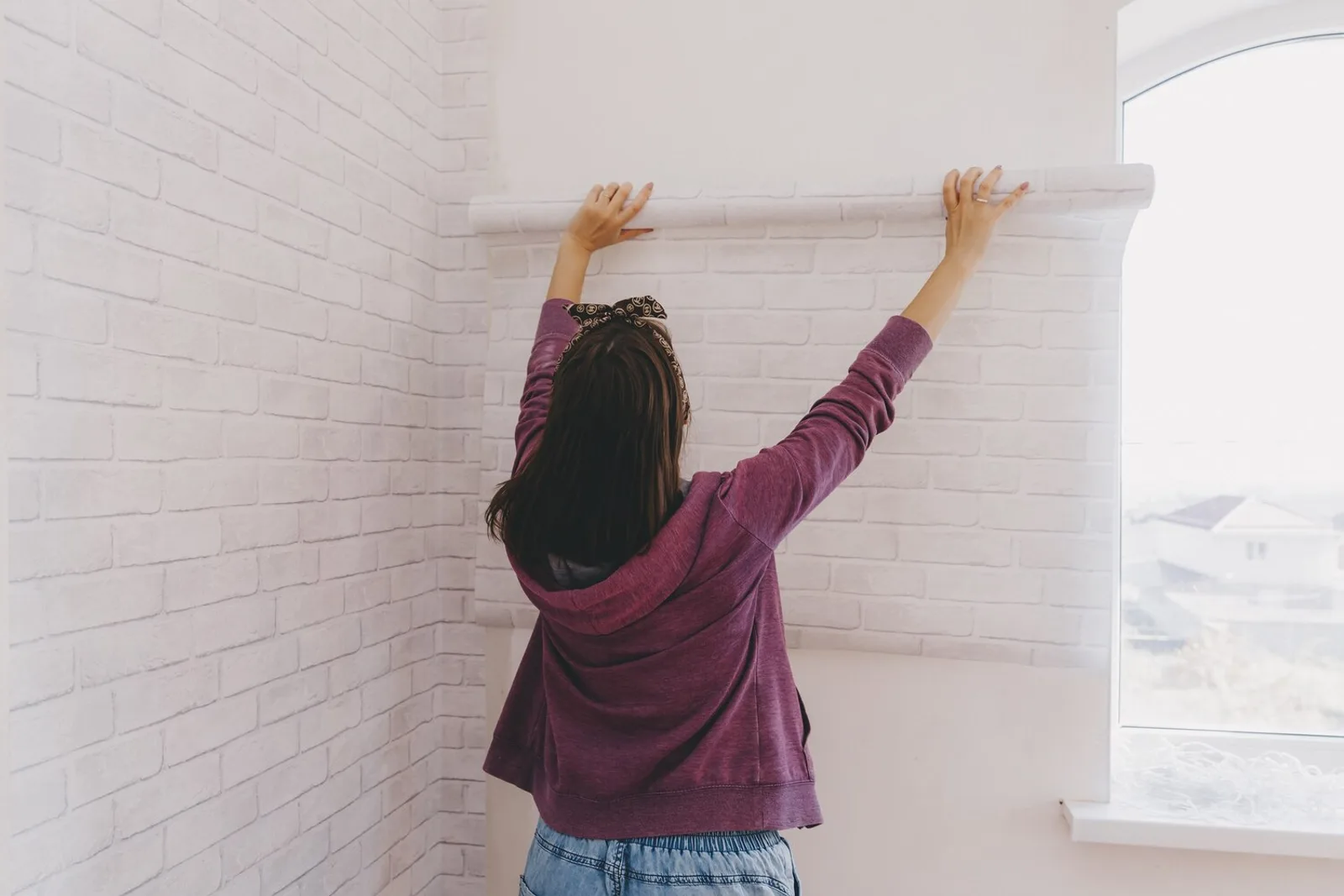
Essential Tips to Keep Your Wallpaper Beautiful and Well-Maintained
This short guide gives clear, practical Essential Tips to Keep Your Wallpaper Beautiful and Well-Maintained. You’ll learn how to safely remove stains, test cleaners first, use mild soapy water, blot (don’t rub), dry fast, control humidity, shield from sunlight, fix small tears, and set a simple routine.
Key Takeaway
- Wipe up spills immediately.
- Dust gently with a soft cloth weekly.
- Use mild soap, not harsh cleaners.
- Keep room humidity steady to prevent peeling and mold.
- Smooth bubbles and fix loose seams fast.
How to clean wallpaper and remove stains with safe cleaners
Cleaning wallpaper is quick if you act fast. Keep a small kit: soft sponge, microfiber cloth, mild dish soap, and plain water. These are the core Essential Tips to Keep Your Wallpaper Beautiful and Well-Maintained.
Test a cleaner on a hidden spot first
Always test on a hidden area (behind furniture or a scrap). Apply the cleaner, wait 10 minutes, blot dry. If color fades, the finish dulls, or paper wrinkles, stop and choose a gentler option.
Use mild soapy water or a recommended product
For most wallpapers, mild soapy water (1 tsp mild dish soap per quart of warm water) is the safest first choice. Use a soft sponge, wrung out until damp, and work gently.
| Cleaner | When to use | Caution |
|---|---|---|
| Mild soapy water | Everyday dirt, fingerprints, light stains | Don’t soak paper; use a damp sponge |
| Wallpaper cleaner gel | Heavier grime or textured vinyl | Follow label; test first |
| White vinegar (diluted) | Grease, mild mildew | Use sparingly; test first |
| Rubbing alcohol | Ink or marker (spot test only) | Tiny amount on hidden spot; can remove dyes |
Only use stronger solutions after a successful test. If damage appears, stop and consult a pro.
Quick steps: blot, avoid rubbing, dry fast
- Act fast. Blot spills with a clean, dry cloth immediately.
- Mix mild soapy water. Dip a corner of a sponge, wring until just damp.
- Blot the stain from the outside in to avoid spreading.
- Never rub — rubbing lifts ink and tears fibers. Pat gently.
- Rinse with a clean damp cloth to remove soap.
- Dry quickly with a dry cloth or fan to prevent water seepage.
Real-life tip: I once spilled coffee on dining-room wallpaper. I blotted fast, used a damp sponge, and dried with a hair dryer on low. The stain vanished — quick action saved the wall.
Prevent wallpaper peeling: humidity control and sun protection
Protecting wallpaper from moisture and sunlight is one of the most important Essential Tips to Keep Your Wallpaper Beautiful and Well-Maintained.
Keep room humidity steady to prevent peeling and mold
Aim for 40–55% relative humidity. That range keeps adhesives stable and mold low.
- Use a hygrometer to monitor humidity.
- Run an exhaust fan during showers and cooking.
- Place a dehumidifier in damp rooms or a humidifier in very dry air.
- Fix leaks and dry wet spots quickly.
- Avoid drying laundry inside near wallpaper.
| Relative Humidity | What happens | Action |
|---|---|---|
| Below 35% | Glue can dry and crack | Add a small humidifier |
| 40–55% | Best for wallpaper | Monitor with a hygrometer |
| Above 60% | Risk of mold and peeling | Use dehumidifier, ventilate, fix leaks |
Example: A bathroom without a fan often peels at seams; a cheap hygrometer an exhaust fan fixes that.
Use curtains, UV film, or blinds to protect wallpaper from sunlight fading
Direct sun fades wallpaper and weakens glue over time. Options that work:
- UV window film — blocks UV, keeps colors bright.
- Heavy curtains or lined drapes — block heat and light.
- Blinds or roller shades — quick to close during strong sun.
- Move lightweight objects away from the brightest windows.
| Option | Blocks UV | Controls heat | Ease of use |
|---|---|---|---|
| UV film | Yes | Moderate | Low maintenance |
| Curtains (lined) | Yes | High | Simple to close |
| Blinds/shades | Moderate | Moderate | Quick to adjust |
Tip: Afternoon sun is worst — close coverings then to reduce fading.
Simple habits to reduce peeling and sun damage
- Check humidity weekly with a hygrometer.
- Run fans when moisture spikes.
- Close curtains or lower blinds during bright hours.
- Wipe condensation from windows and walls.
- Keep heat sources (heaters, lamps) a few inches from wallpaper edges.
- Clean gently; avoid soaking seams.
- Inspect seams and edges monthly; press loose edges with wallpaper adhesive if needed.
Small daily habits extend life and cut repair costs.
Repair and care routine to extend wallpaper lifespan
Follow these quick actions as part of your regular maintenance — a practical list of Essential Tips to Keep Your Wallpaper Beautiful and Well-Maintained.
Fix small tears with adhesive, a seam roller, and careful smoothing
- Clean the area with a soft cloth; remove dust and loose bits.
- Lift the torn edge gently and put a thin layer of wallpaper adhesive under it.
- Press the edge down and use a seam roller, rolling outward from the center.
- Wipe excess glue with a damp sponge immediately.
- If there’s a gap, tuck a tiny matching scrap under the tear before gluing; trim excess with a sharp blade.
- Let dry fully; check pattern match and smooth bumps.
Small fixes early stop big problems.
Set a wallpaper maintenance routine
- Dust weekly with a microfiber cloth or soft brush.
- Check seams monthly for lifting, bubbles, or gaps.
- Treat stains fast — blot, don’t rub; test cleaners first.
- Avoid harsh cleaners and scrubbing — they remove print and color.
- Control room humidity with fans or dehumidifiers in damp spots.
Real-life tip: I once saved a hallway by blotting a juice spill within seconds; the paper never showed a mark.
Basic repair kit to keep on hand
| Item | Why it matters | Quick tip |
|---|---|---|
| Wallpaper adhesive | Re-glues edges and tears | Use clear-drying paste for printed paper |
| Seam roller | Smooths joins for invisible repair | Roll gently to avoid crushing pattern |
| Microfiber cloth | Cleans and smooths without damage | Dry-dust first, then spot-clean |
| Sharp utility knife | Trims loose bits and excess paper | Replace blade often for clean cuts |
| Small sponge | Wipes off extra glue or dirt | Keep slightly damp, not wet |
| Matching scrap | Patches holes or large tears | Store a piece from installation day |
You don’t need many items — these cover most quick repairs.
Conclusion
Keep it simple and act fast. If you test cleaners first, use mild soapy water, blot stains instead of rubbing, and dry fast, you’ll avoid most disasters. Treat humidity like a thermostat for wall health — steady levels prevent peeling and mold. Shield your paper from harsh sunlight. These are the core Essential Tips to Keep Your Wallpaper Beautiful and Well-Maintained: small habits now save time and money later.
Want more practical tips and how‑tos? Read more at https://www.rcpwallpaper.com.
Frequently asked questions
- Q: What are the Essential Tips to Keep Your Wallpaper Beautiful and Well-Maintained?
A: Dust weekly, spot-clean quickly using mild soap and a soft sponge, test cleaners first, control humidity, protect from direct sun, and fix small tears immediately. - Q: How often should you clean your wallpaper?
A: Dust once a week. Light wipe every 1–3 months. Deep clean only when needed. - Q: How do you remove stains without harming wallpaper?
A: Blot, don’t rub. Test cleaners on a hidden spot first. Use mild soapy water and gentle pressure. - Q: Can you repair small tears and scuffs yourself?
A: Yes. Use clear adhesive, press edges together, trim loose bits, and smooth with a seam roller and soft cloth. - Q: How do you prevent peeling and water damage?
A: Keep rooms dry and well-vented, fix leaks fast, use exhaust fans and dehumidifiers as needed, and maintain 40–55% relative humidity.
You’ve got this — follow these Essential Tips to Keep Your Wallpaper Beautiful and Well-Maintained and your walls will look great for years.