
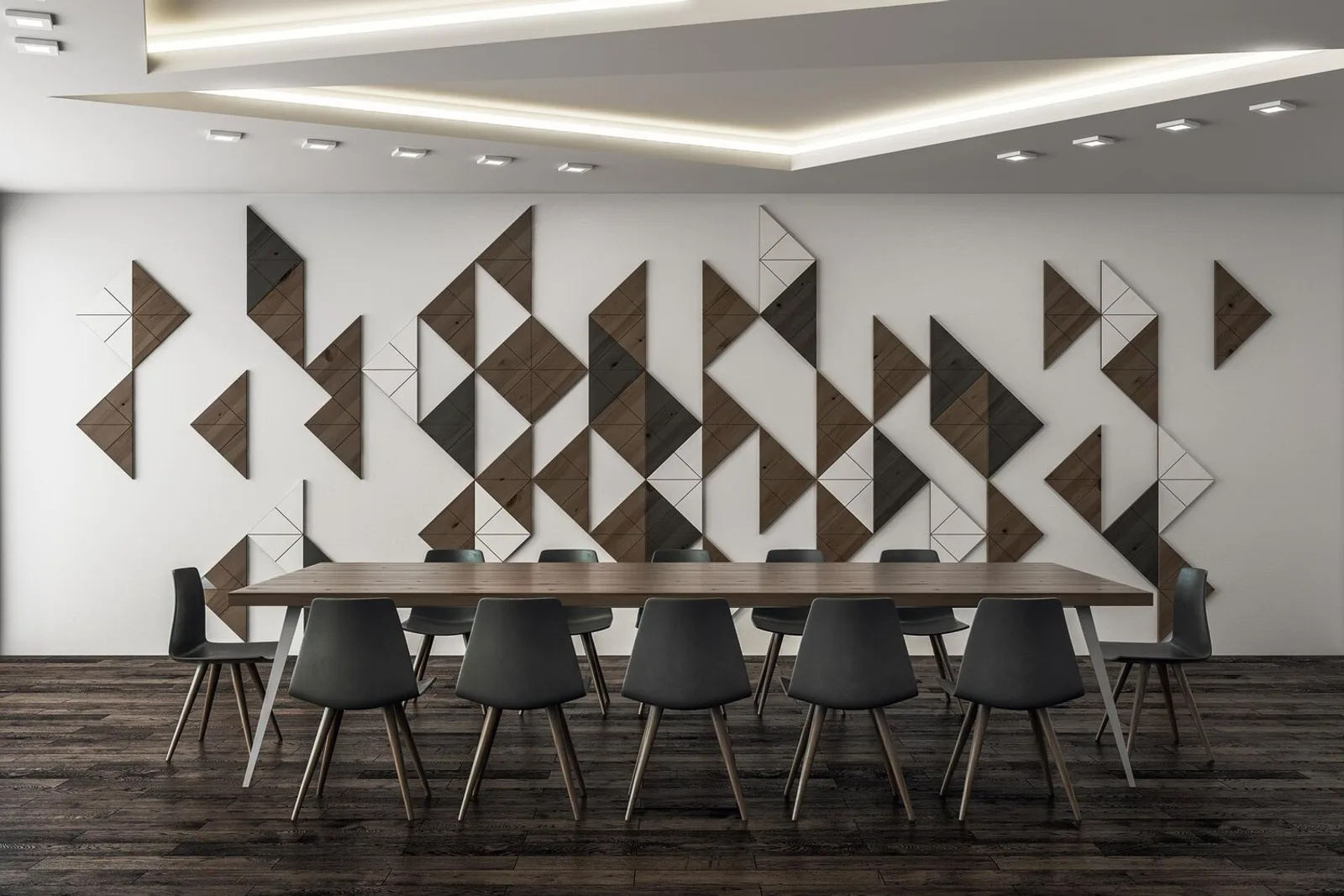
Transform your conference room with sophisticated wallpaper patterns. You can pick luxury designs that match your brand and use modern office ideas that feel high end. Learn simple steps to measure, prep, choose the right adhesives, and hire pros for clean installation. Explore textured and acoustic wallcoverings to cut echo and add comfort. Keep it fresh with easy maintenance tips.
Key Takeaway
- Subtle patterns boost focus
- Neutral colors keep it professional
- An accent wall adds style without clutter
- Match texture and lighting for the best look
- Durable, wipeable wallpaper is easy to care for
Transform your conference room with sophisticated wallpaper patterns
Your conference room sets the tone for every meeting. Sophisticated wallpaper patterns upgrade the space without a full remodel—think of it as giving walls a confident, polished tie. The right patterns reflect your company’s focus—from clean lines that signal precision to subtle textures that add depth without shouting.
Patterns can guide conversations. A bold but controlled motif frames ideas and keeps eyes on the speaker, while a quieter backdrop reduces glare and helps attendees stay focused. For long walls, vertical patterns create the illusion of height. In small boardrooms, a soft metallic sheen or restrained geometric adds energy without overwhelm. The balance is presence without distraction.
To stay cohesive, map wallpaper to branding elements. Choose colors that echo your logo and seating finishes, and select patterns with a similar rhythm to your presentation materials. A feature wall or an accent behind the head table can transform the room while keeping your brand front and center.
Pick luxury wallpaper designs for boardrooms
Your boardroom should communicate success with upscale textures like linen, silk, or subtle embossing. Quality finishes read as premium from across the room, with durable inks, vinyl, and precise prints that resist wear from meetings and video calls. Choose patterns with scale that fit your space: bold motifs for larger boards create a focal point, while restrained patterns in calmer tones suit smaller rooms. For a modern edge, a monochrome geometric or architectural motif feels timeless and current. Soft metallic accents or natural textures catch light as people move, projecting professionalism without clutter.
Practical details matter: luxury wallpaper should be easy to clean and resistant to scuffs, especially near doorways and chair rails. Check the warranty and installation method—vinyl-backed options tend to hold up well in busy spaces. Request samples and view them under your meeting lighting to see how the pattern behaves in real life.
Use modern corporate office wallpaper ideas
Modern office wallpaper combines function and style. Look for patterns with clean lines, abstract geometrics, or nature-inspired motifs that stay calm under bright light. A restrained, low-contrast pattern reduces visual noise and helps teams stay on task.
Color matters: neutrals with a strategic accent wall can energize without overwhelming. Subtly repeat brand colors in a way that’s readable up close but almost invisible from a distance. This detail gives a contemporary feel while keeping attention on people and talks rather than the walls. Practical ideas: matte finishes to minimize reflections during video calls, or directional patterns like horizontal lines guiding the eye toward the presenter. For a nature vibe, choose leaf or wave motifs in soft greens or blues.
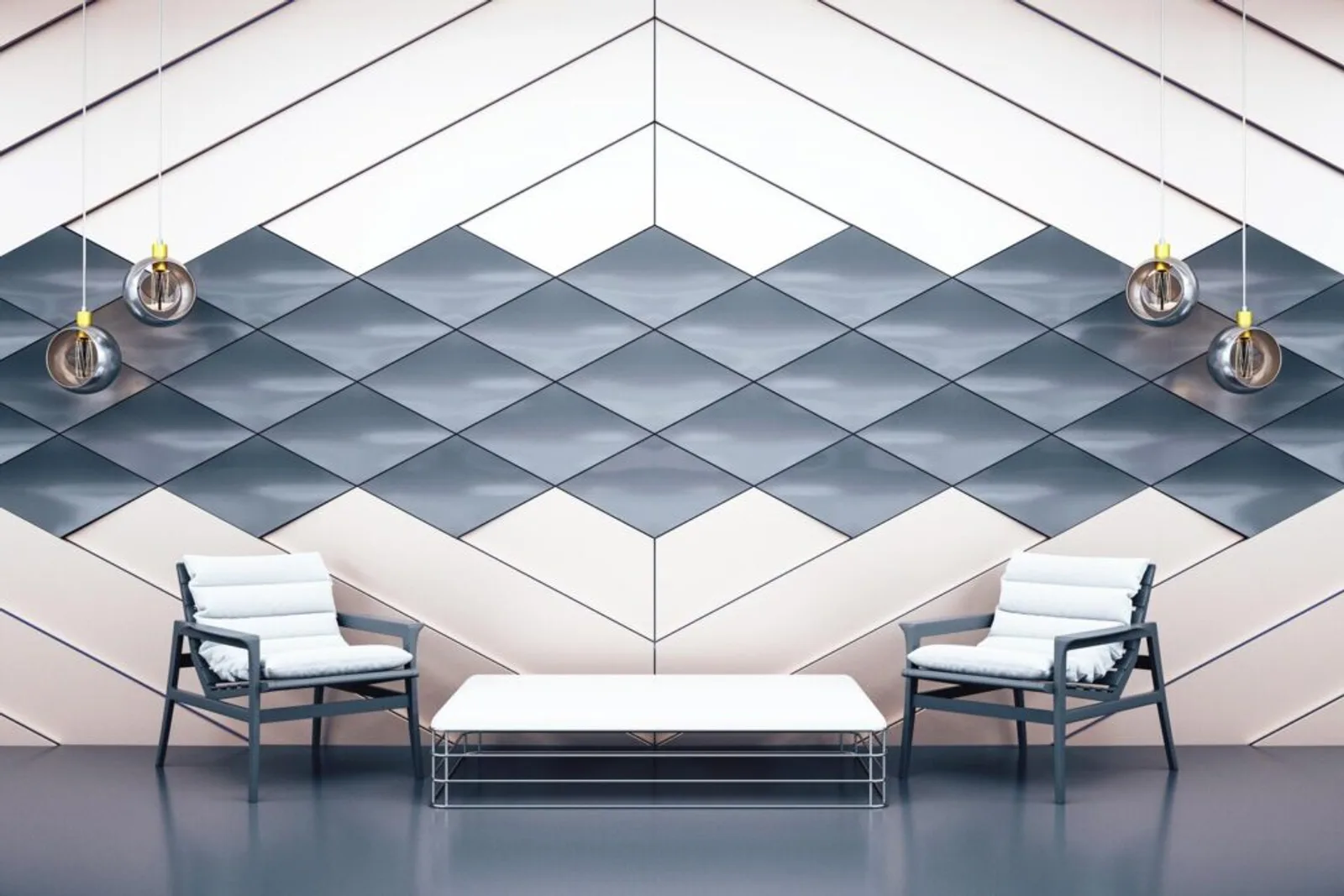
High-end wallpaper installation for offices made simple
A premium look can be achieved quickly with smart planning and the right materials. Think of wallpaper as a stylish skin that’s durable and easy to care for. The result should feel seamless, not rushed.
Begin by mapping the project and choosing patterns that align with your branding and textures that reduce glare. Lasting impact comes from deliberate prep and proper tools, not trends. Visualize walls transformed from plain to striking, with seams aligned and light-catching edges clean and balanced.
Measure walls and prep surfaces for smooth results
Exact measurements keep seams aligned and waste to a minimum. Note ceiling height, door and window positions, and obstacles. Mark walls with light pencil lines to plan panel placement. Check for texture and moisture, as uneven drywall or dusty surfaces can cause peeling later. A steady prep routine yields cleaner edges and longer life.
Cleaning matters: wipe walls to remove dust, grease, and fingerprints. Fill cracks and sand smooth so the surface is even; patch and sand until the surface feels glassy to the touch. This pays off in the final look.
Adhesive choice starts with priming if the wall is porous or patchy. Priming helps the adhesive grab and reduces edge issues. Test a small area to confirm pattern matching and glue acceptance.
Choose professional adhesives and tools
Select adhesives that suit the wallpaper type and room conditions. For heavy vinyl or textured patterns, use products rated for those surfaces. Use two rollers—one for glue and one for seams—to keep edges tidy, plus a smoothing tool to remove air bubbles. Keep a sharp utility knife and straight edge for clean cuts.
Control temperature and humidity during installation. Note the open time of the glue and plan breaks for large walls. A laser level or plumb line keeps panels perfectly vertical for a crisp finish.
Consider essential tools: a seam roller to press edges and a squeegee for vinyl textures. The right kit prevents tears, creases, and stretched edges, delivering a clean, professional result.
Hire certified installers for clean results
Certified installers bring experience with corners, moldings, and patterns across large surfaces. They handle tricky textures and big panels to avoid mismatched seams or lifted edges, especially near doors and skylights. A pro manages waste, protects floors, and tidies up after the job.
Ask for a portfolio and references to confirm they’ve worked with your wallpaper type. A pre-install walkthrough sets expectations: timeline, number of panels, and handling of surprises. A good installer can forecast issues and suggest practical fixes to keep the project on track.
Acoustic wallpaper solutions for conference rooms and comfort
Acoustic wallpaper reduces echoes and noise while fitting your brand. In a conference room, this helps conversations stay clear without cranking up volume. Think of it as adding a soft layer that absorbs sound rather than reflecting it. Choices include fabric-backed textures that dampen more than flat vinyl, or perforated panels that trap sound. A well-chosen option improves speech intelligibility and creates a warmer, more inviting space.
Measure room size, wall materials, and typical talking distances when upgrading. Match the wallpaper’s acoustic rating to the room’s noise level, and account for humidity and temperature, which affect performance over time. With the right choice, you’ll notice less echo from week one.
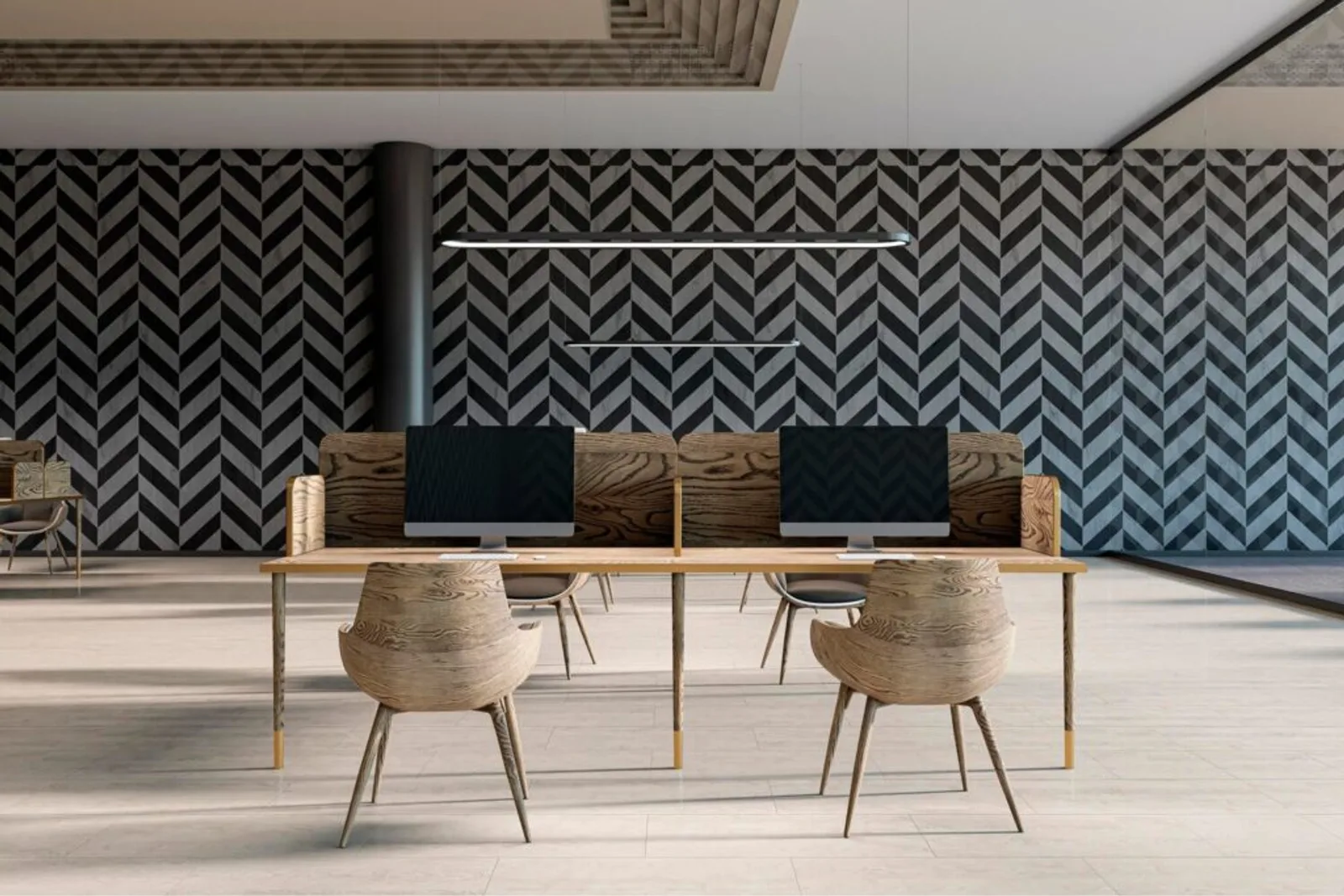
Select textured wallcoverings for conference rooms
Textured wallcoverings deliver both aesthetics and acoustics. A woven or fabric-backed wallpaper can absorb more sound than a smooth surface, reducing echo while adding visual interest. For a bold look, choose a textured pattern in a neutral tone to keep conversations easy on the ears. Pair texture with furniture and drapery that also aid sound absorption for a balanced environment.
Texture options range from subtle branding-friendly textures to pronounced feature-wall textures. Thick, fabric-backed options absorb more, while thinner vinyl textures offer moderate gains. Start with a mid-range option and test its impact during a typical meeting.
Compare acoustic materials and ratings
Acoustic wallpaper uses two main numbers: noise reduction and absorption. Noise reduction measures sound energy blocked by walls, while absorption gauges how much sound the surface soaks up. Look for NRC (or similar ratings); higher NRC means less echo and clearer voices. In rooms with glass or concrete, aim higher.
Materials differ in how they achieve acoustics. Fabric-backed wallpapers often provide stronger absorption, while perforated or textured vinyl offers good performance with easier cleaning. If you share space with equipment or expect wear, choose stain-resistant, easy-to-wipe options. A simple performance statement from the supplier, including NRC, SAA (sound absorption area), and durability, helps you compare apples to apples and plan maintenance.
Maintain performance with simple cleaning
Choose wallpapers that clean easily to preserve performance. Vinyl textures wipe clean with a damp cloth or mild cleaner; fabric-backed options may require vacuuming or spot cleaning. Maintain a routine: wipe weekly in busy rooms, check seams, and re-clean after spills. Address dulling or staining early to prevent absorption loss. Your conference room stays welcoming, and the wallpaper continues to perform.
Conclusion
Upgrade your conference room with intentional wallpaper choices that reflect your brand and sharpen focus. By selecting the right patterns, colors, textures, and materials, you create a space that looks professional and feels comfortable. Prioritize quality materials, accurate measurements, proper adhesives, and skilled installation for a clean, lasting finish. Treat acoustics as part of the plan, choosing textured or fabric-backed wallcoverings when needed to reduce echo and enhance conversation. Maintain the look with simple care and routine checks, and keep the space current by viewing wallpaper as an ongoing design asset, not a one-time fix. Map branding to wall design and involve certified installers to enjoy a space that supports better meetings, happier teams, and a stronger impression.
Frequently asked questions
- What first step should you take to update your conference room? Transform your conference room with sophisticated wallpaper patterns. Start with one accent wall, test a sample, and view it in the lighting you use for meetings.
- Which wallpaper patterns work best for meetings? Go simple. Subtle geometrics and soft textures calm the eye. Avoid loud prints.
- How do you pick colors that boost focus? Choose muted tones with a color pop in a single accent wall. Blues and greens help focus, with a warm balance.
- Can wallpaper reduce noise and improve mood? Yes. Textured and fabric-backed papers cut echo and add warmth and calm.
- How do you keep the design professional and modern? Scale patterns to the room size, match trim and lighting, and keep furniture clean and simple.