
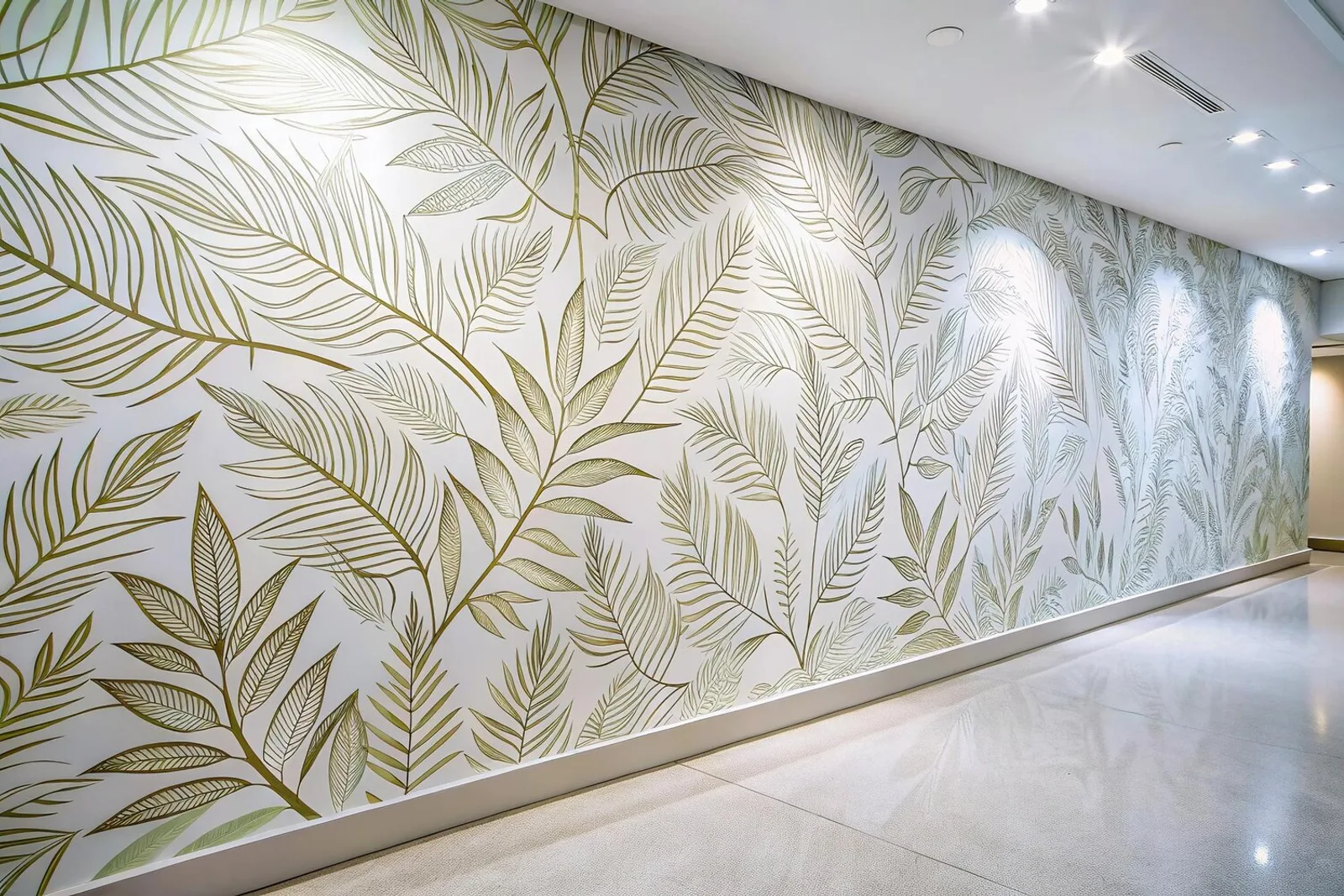
Enhance your gallery space with contemporary wallpaper installations. You get clear ideas to guide visitor sightlines with modern mural wallpaper. Add textured wallpaper for visual depth and quieter rooms. Plan focal walls and smooth visitor flow. Choose durable materials and check fire ratings, washability, and lightfastness to protect art. Work with pros for bespoke installation and match wallpaper to your lighting and hanging systems.
Key Takeaway
- Pick a bold pattern to create a focal wall
- Use neutral wallpaper to let your art stand out
- Match wallpaper colors to your artwork for cohesion
- Choose matte, durable materials to avoid glare and make cleaning easy
- Hire a pro for smooth, seam-free installation
Create immersive visitor experiences with contemporary wallpaper installations for your gallery
You can change how people feel the moment they walk in. Enhance your gallery space with contemporary wallpaper installations that set tone, scale, and movement. A bold mural behind a reception desk can act like a welcome handshake; soft textured panels by seating areas can make visitors linger. Think of wallpaper as stage props that never leave the set.
Wallpaper is a fast, non‑structural way to shape visitor experience. Use color to calm or excite, pattern to speed or slow the eye. When you place artwork next to a busy wall, it pops; against a calm wall, it reads deeper. Good wallpaper work feels planned but alive—pick finishes that respond to your gallery lamps and match patterns to your program.
Use modern mural wallpaper to guide visitor sightlines and focus
A mural is like a road sign for the eye. Large-scale graphics can point visitors to highlights, entrances, or quiet corners. Use contrast and leading lines so people naturally look where you want them to. Test a small mock-up at eye level and walk the route yourself—the mural should ask a question and leave room for the artwork to answer.
Add textured wallpaper for visual depth and better sound control in your space
Textured wallpaper gives two wins: visual depth and improved acoustics. Raised patterns, grasscloth, or heavy vinyl break up flat surfaces and soak up sound. Texture also catches light in small ways, adding life to plain walls. Choose textures based on traffic and care: natural fibers feel warm but need gentle cleaning; vinyl options are tougher. Mix textures—smooth panels near delicate works, rougher finishes in lounge zones—to shape mood and function.
Place your strongest wallpapers on focal walls—entry points, end-of-gallery stops, and nodes where multiple paths meet. Use subtler papers along circulation routes so movement feels fluid. Keep sightlines open: avoid heavy patterns right behind small, detailed pieces. Let the wallpaper act as a stage that frames art and directs flow.
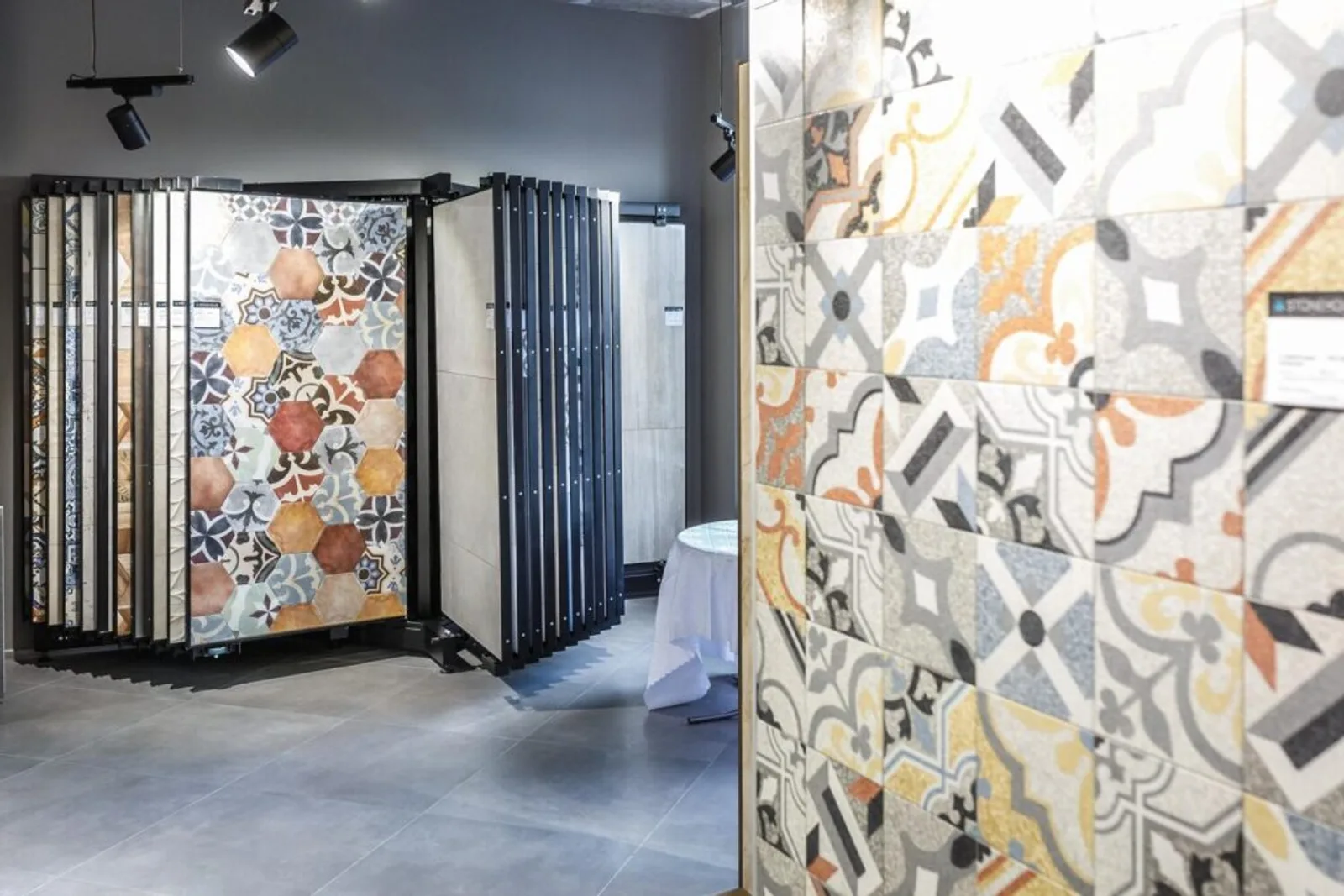
Choose durable materials and bespoke wallpaper for galleries to support large-scale wallpaper art
If you want to Enhance your gallery space with contemporary wallpaper installations, start by picking materials that last. Large-scale art meets light, humidity, and crowds—choose high-performance substrates and inks so colors stay true and edges don’t fray.
Think about how the wall behaves over time. Some papers handle bumps and cleaning better than others. Match the finish to your show: matte for fine art, satin for deep color, textured for tactile pieces. Ask for sample panels to check seams, scale, and color under your gallery lights. Match the print process to the surface—digital pigment inks and UV-cured prints resist fading. Work from full-size mockups and test a corner on-site before committing.
Pick vinyl-backed, non-woven, or fabric-backed papers for wear resistance you can trust
Go with vinyl-backed if you expect heavy traffic or frequent cleaning—tough, scrubbable, and forgiving during installation. Choose non-woven for easy hanging and removal; it’s breathable and stable. Fabric-backed options add texture and help with sound absorption. Each choice balances texture, print fidelity, and maintenance—pick what fits your display needs.
Check fire ratings, washability, and lightfastness to protect your artworks
Always confirm fire ratings before ordering—galleries often must meet code: look for Class A or equivalent. Check washability and lightfastness: museum-quality inks resist color shift, and washable finishes preserve surfaces. These specs protect the artwork and your reputation.
Hire professional installers who know seams, wall prep, and pattern matching. They bring the right tools, measure twice, and handle surprises like uneven walls or tricky corners. A pro saves time and keeps your art looking like the star of the room.
Plan lighting, conservation, and layout when using exhibition space wall coverings
Map lighting zones, windows, and skylights on a floor plan. Think of lighting like stage lights: soft front light for paintings, cool spotlights for details, low ambient for tapestries. Run small tests—hang a scrap of wallpaper and observe it at opening, midday, and closing light to check glare and color shifts.
Conservation should guide choices from day one. Pick substrates and adhesives that meet museum-safe standards and avoid long-term UV damage by planning filters or controlled daylight. Discuss reversible attachment methods with your conservator so you can change exhibitions without harming surfaces.
Finally, tie layout to movement. Place high-contrast or textured wallpaper where visitors naturally pause. Use neutral backdrops in circulation areas so sight lines stay clear. When planned this way, you can Enhance your gallery space with contemporary wallpaper installations while keeping artworks safe and visible.
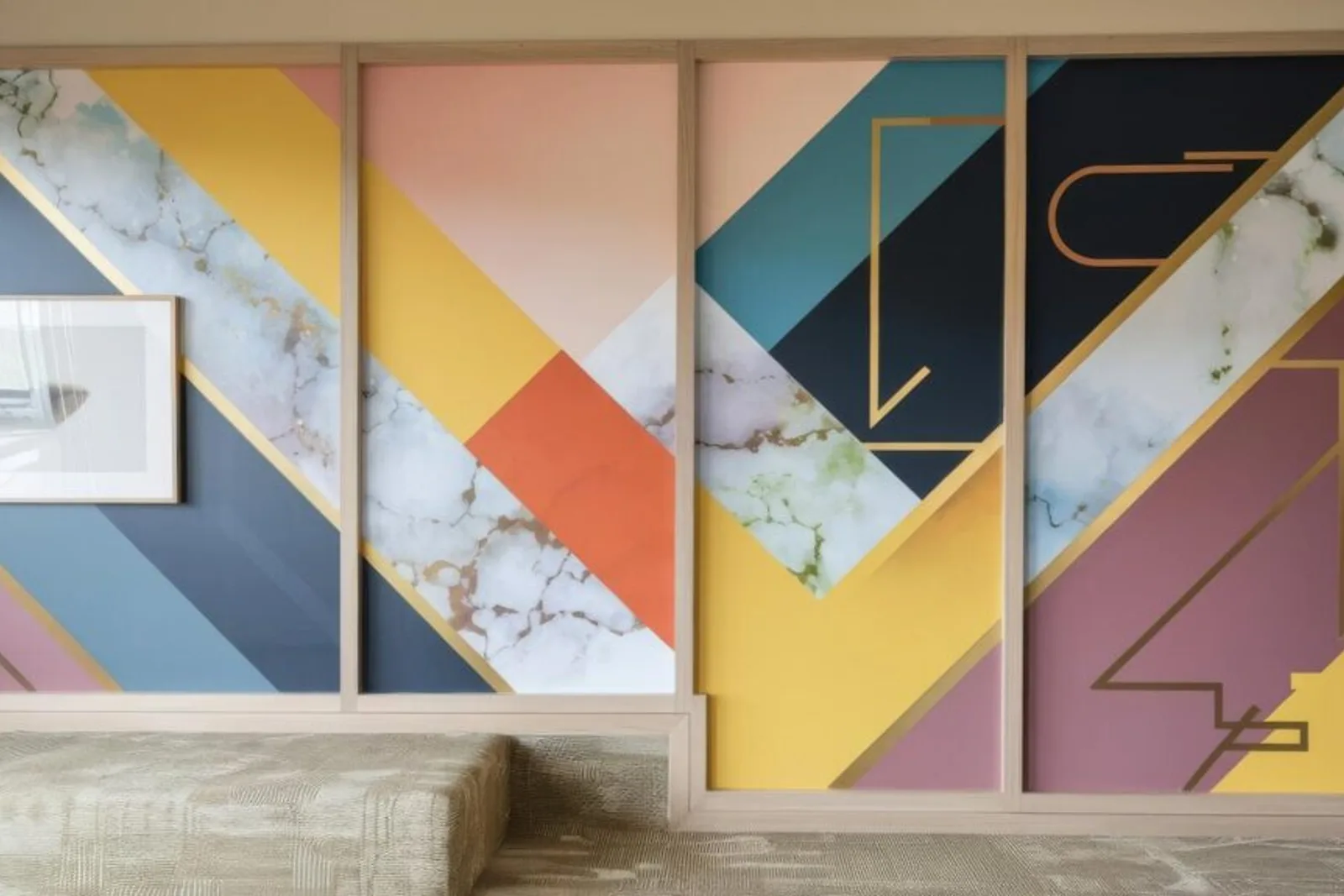
Match wallpaper color and texture to your lighting plan to reduce glare and fade
Choose finishes that play well with your light. Matte and low-sheen wallpapers cut glare and keep colors rich under spotlights; glossy papers can create hot spots. If your gallery uses warm LEDs, slightly cooler wallpaper tones can balance the scene; with cool lighting, warmer tones calm the space. Test samples on the actual wall at eye level and observe them over hours and days to catch fade and color drift.
Coordinate wallpaper placement with hanging systems, sight lines, and visitor flow
Plan wallpaper around where you will hang objects. Align seams and pattern repeats with hanging systems and picture rails so fastenings don’t fall on busy motifs. Leave clean vertical strips or neutral zones for mounts, labels, and hooks. Walk the route as a visitor—check sightlines from benches, doorways, and label stations—and place bold patterns where people will stop so wallpaper supports the exhibit instead of stealing it.
Current gallery trends favor acoustic, low‑VOC wallpapers and modular panels that are removable and fire-rated. Work with installers who follow installation standards for surface prep, adhesive choice, and seam treatment so your finish lasts and complies with codes.
Conclusion
You can turn your gallery into a staged experience with contemporary wallpaper installations that guide sightlines, boost scale, and set mood. A bold mural acts like a visual road sign; textured papers add depth and help control sound. Use wallpaper as a backdrop, not a rival, so your art always stays the star.
Plan smart: place your strongest papers on focal walls and keep circulation walls calmer. Choose durable materials—vinyl-backed, non-woven, or fabric-backed—and check fire ratings, washability, and lightfastness before you buy. Test samples under real lighting, align patterns with your hanging systems, and hire professional installers so seams and edges don’t steal the show.
Keep conservation and visitor flow front of mind. Matte finishes cut glare, staged lighting brings out texture, and reversible fixes protect surfaces for future swaps. Small tests now save big headaches later. Want more inspiration and practical options? Visit https://www.rcpwallpaper.com to keep the ideas coming.
Frequently asked questions
- What does contemporary wallpaper do for a gallery?
It sets the mood, adds depth and color, and helps your art stand out. - How do you choose the right wallpaper for shows?
Think mood, scale, and color. Pick soft tones for many works; pick bold prints for a focused show. - Can you install and change wallpaper between exhibits?
Yes. Peel-and-stick and removable paste options make swaps fast; test wall prep and removal methods first. - How should you light wallpaper to boost art?
Use angled spotlights, cut glare, avoid harsh shadows, and layer ambient with accent lighting. - How can you maintain looks and stay on budget?
Enhance your gallery space with contemporary wallpaper installations using vinyl or washable types; clean with mild soap and fix seams promptly.